Selecting Flexible Conduit for Robotics and Continuous Flexing
A qualification checklist for moving equipment covering dynamic bend geometry, torsion, clamping, environment and target cycle life.
· · 6 min read
Quick answer
A conduit used in robotics is part of a complete motion system. Continuous-flex life cannot be inferred from a construction name or minimum static bend radius. Product-specific qualification must reproduce the intended route, movement, environment and target cycles.
Describe the motion before choosing the tube
- Minimum permissible radius for installation and recommended dynamic radius for repeated motion, measured to the conduit centerline
- Travel length, bend angle, cycles per minute and target total cycles
- Torsion angle per unit length, speed, acceleration and dwell time
- Maximum bundle envelope, permitted fill criterion, stiffness and minimum pass-through diameter
- Temperature, contaminants, unsupported length, clamp locations and installation orientation
Screen candidates, then qualify the product
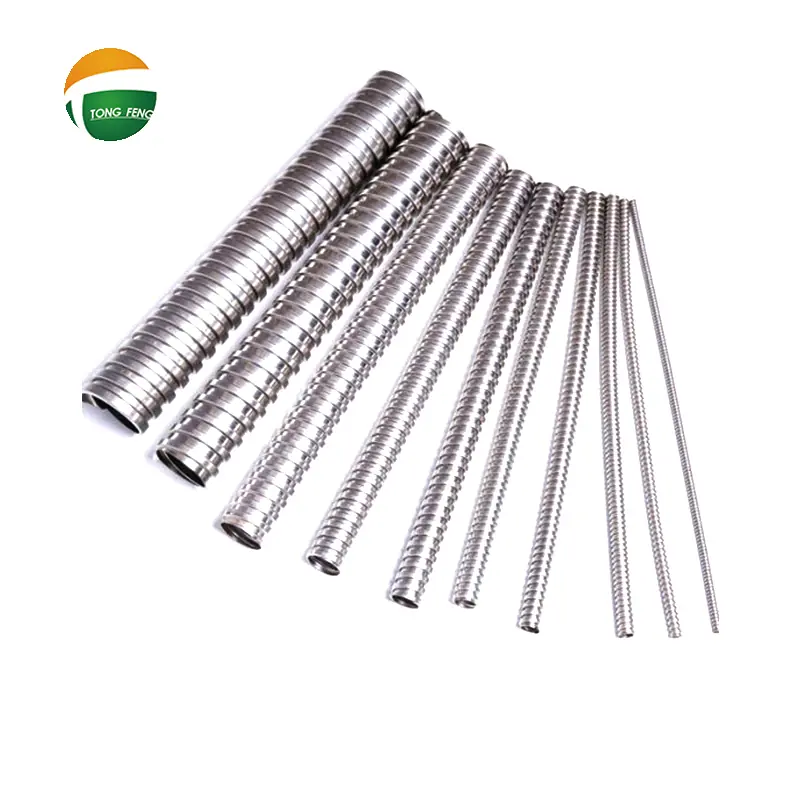
SquareLock may be screened as one candidate for compact moving routes. Robot-arm use still requires product-specific validation for bending, torsion, acceleration, clamping, cable fill and target cycle life.
If moisture, process fluids or abrasion are present, evaluate the exact covering compound, finished O.D., fittings and seals at the same time.
Validate the assembly
Provide strain relief and a neutral flexible length so repeated bending or torsion does not begin at the fitting. Follow the tested clamp position and orientation and prevent uncontrolled loops from rubbing against equipment.
For critical cycle life, use an agreed qualification plan with representative specimens, defined load and environment, target cycles, inspection intervals and failure criteria. Do not extrapolate service life from an unspecified short test.
Frequently asked questions
Can cycle life be predicted from conduit type alone?
No. Qualify the exact conduit and bundle with agreed dynamic radius, travel, torsion, speed, clamps, environment, target cycles and failure criteria.
Should the smallest possible conduit be selected?
Not automatically. Define the maximum bundle envelope, permitted fill criterion, minimum pass-through diameter and dynamic bend route, then verify pull-in and movement with the actual bundle.
What information speeds up a manufacturer review?
Provide the bundle envelope, conduit I.D. and O.D. limits, bend radius, travel, cycle rate, torsion, route length, clamp positions, environment, fittings and target qualification cycles.